
A recent programme in Suffolk shows how realistic scenarios, structured facilitation and reflective discussion can help professionals test judgement and coordinate responses to complex safeguarding situations.
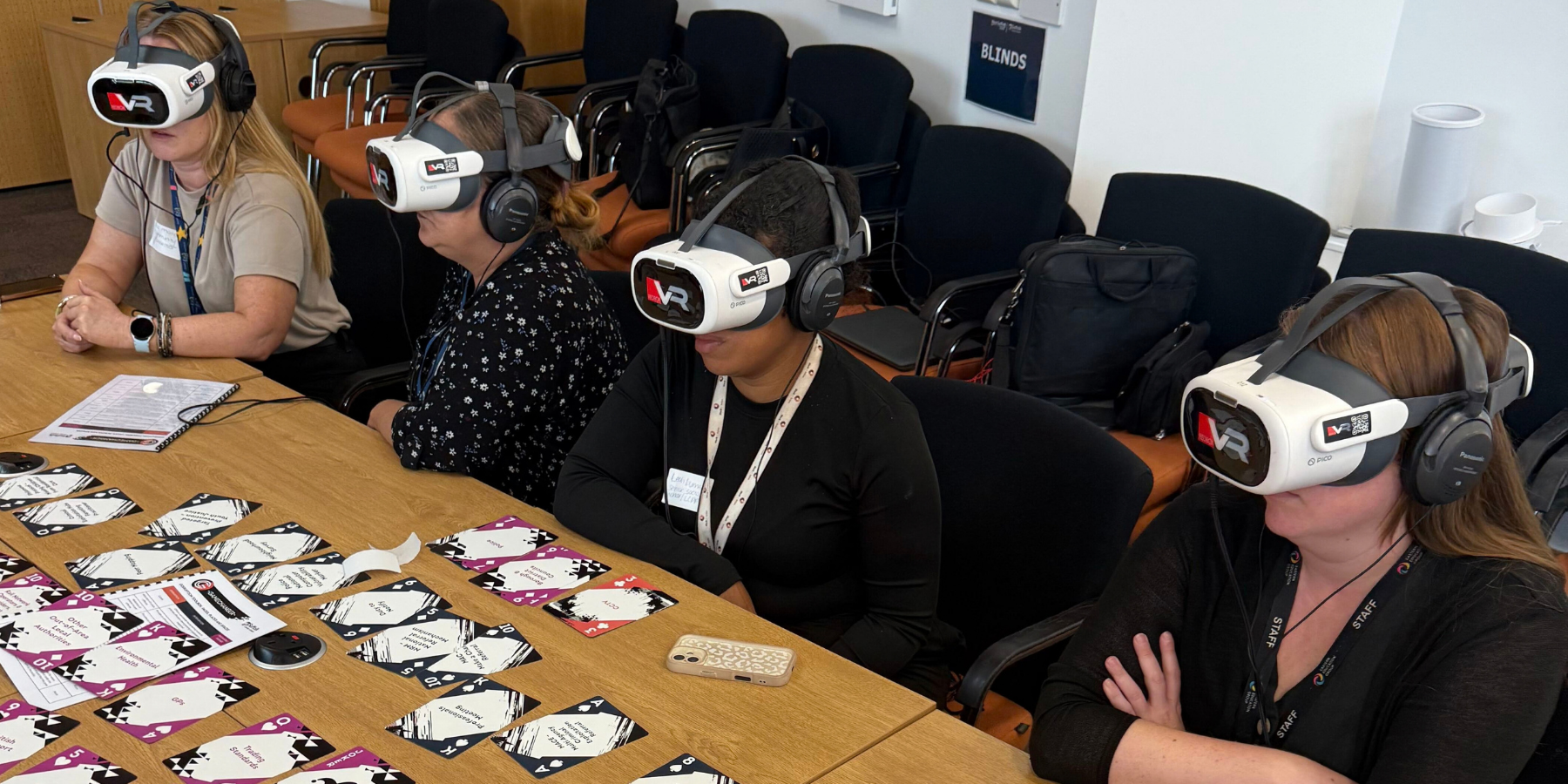
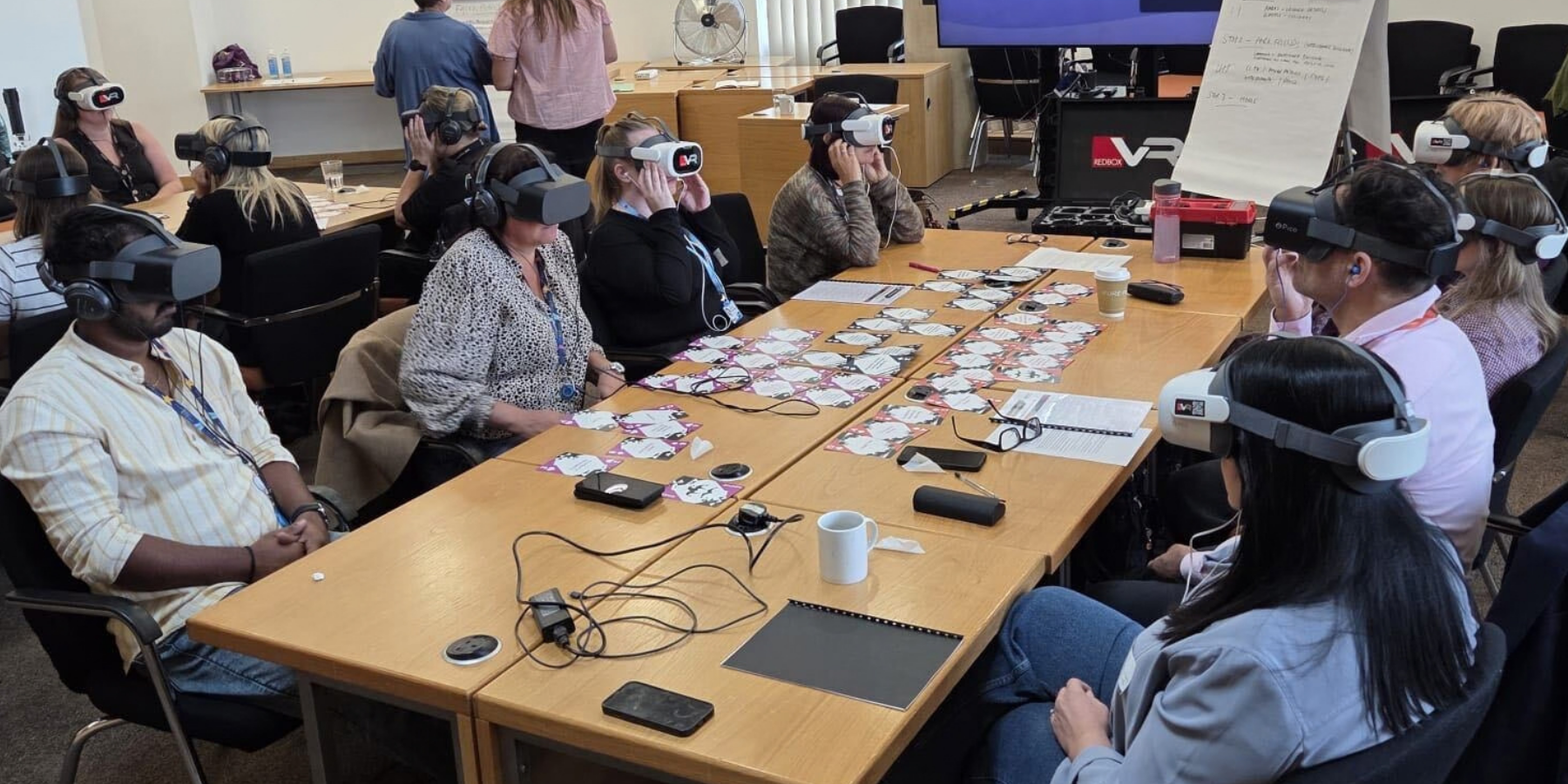
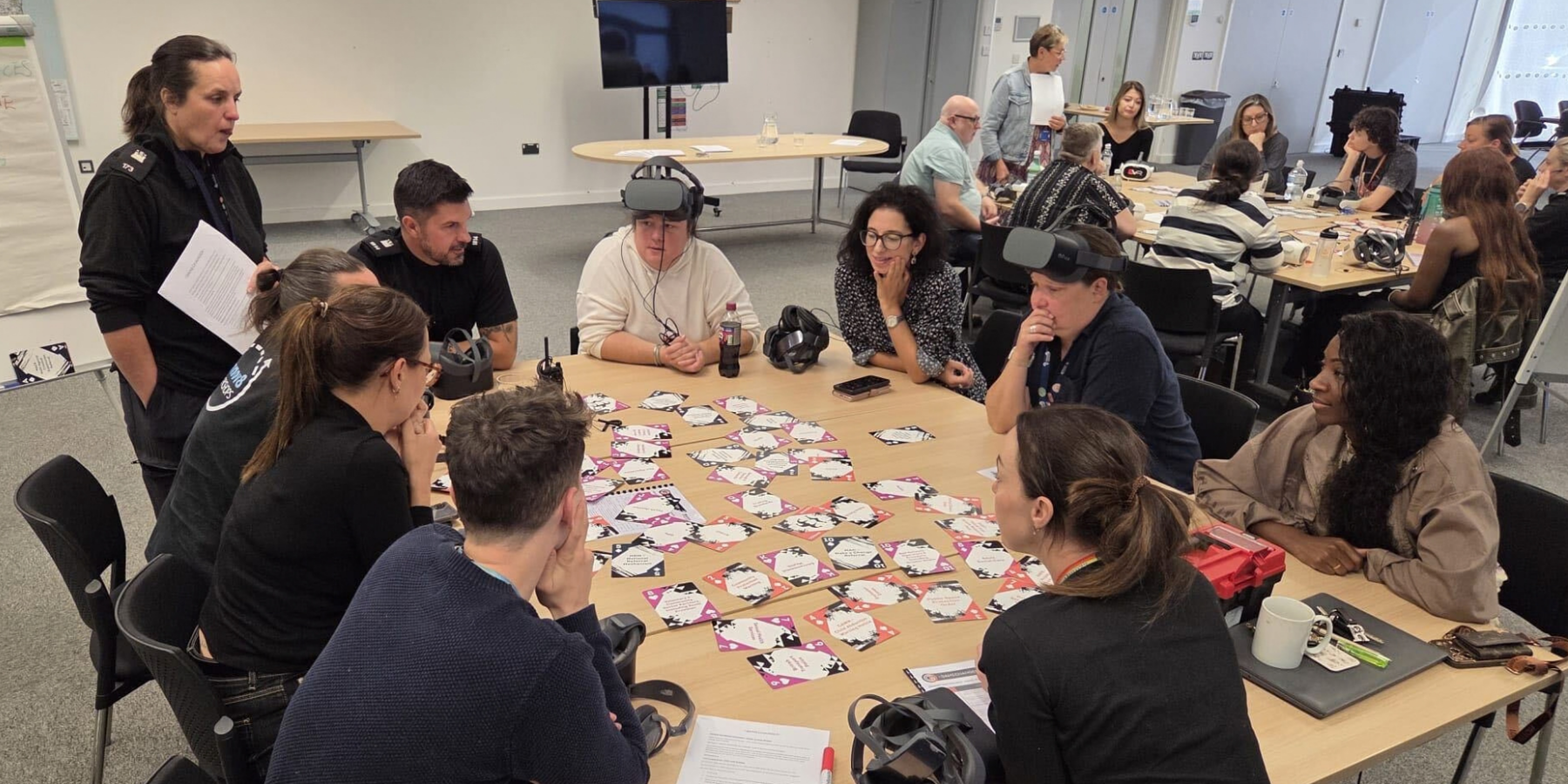
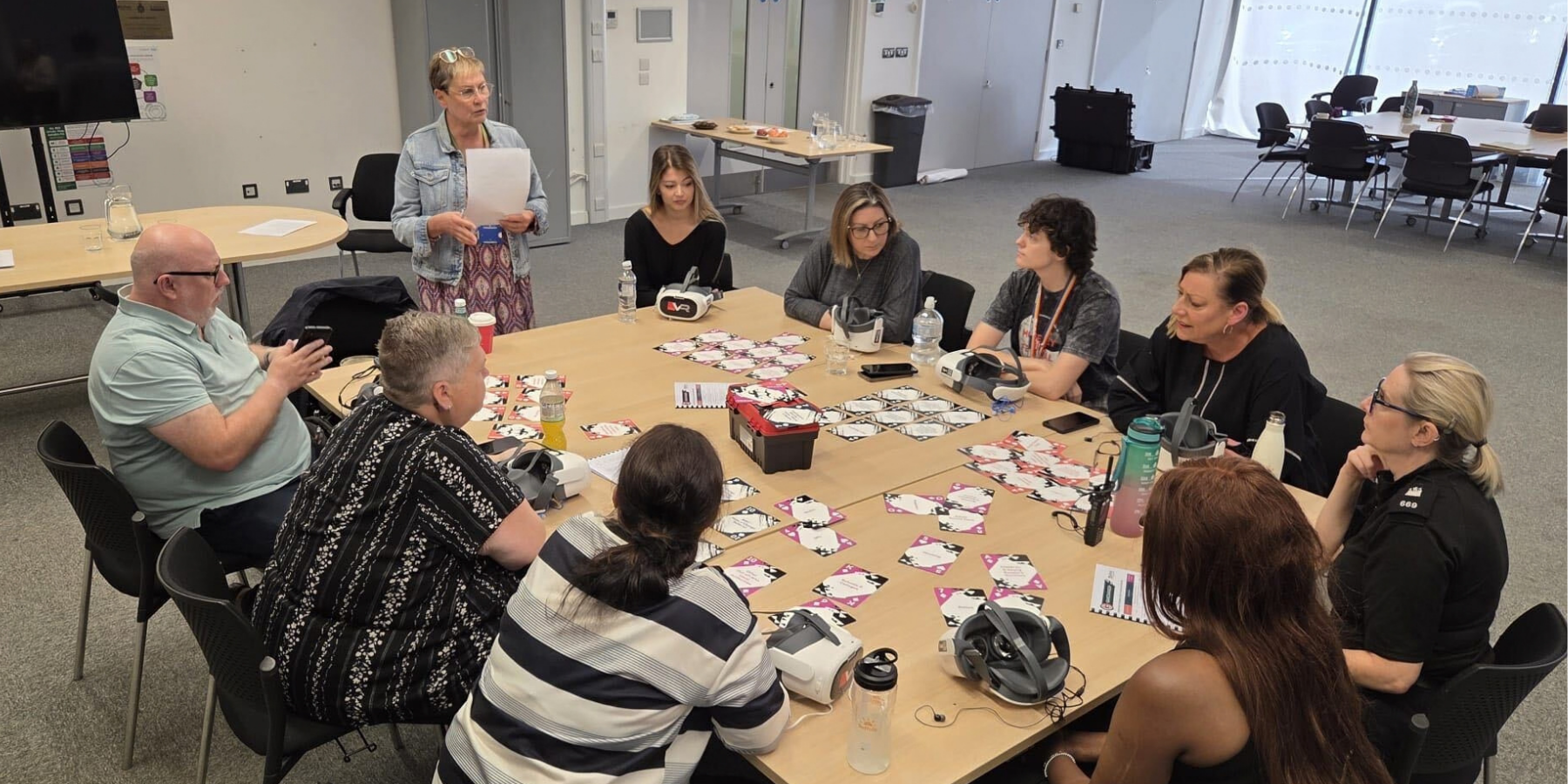
Peel has completed a series of Faces, Places, Spaces workshops in Ipswich and Bury St Edmunds, delivered for Suffolk County Council to multi-agency groups including professionals from policing, housing, youth services and social care.
We worked alongside Claire Prosser, Criminal Exploitation Project Manager, and PC Lisa Thompson, Criminal Exploitation Partnership Officer in the County Partnership and Prevention Hub, to create a learning environment in which participants could examine a complex safeguarding scenario together.
Each group of around 20 professionals followed Charlie, a young person being drawn into criminal exploitation, through an immersive filmed scenario. The story paused at key moments so participants could consider Charlie’s experience, recognise behavioural and contextual indicators, identify missing information and decide which professional actions or partnership responses might be appropriate.
The methodology shared important principles with effective roleplay and simulation-based learning. Participants were not simply told what the risks were. They encountered an unfolding situation, made judgements with incomplete information, heard the perspectives of colleagues from other services and reflected on the consequences of acting — or not acting — at different stages.
Facilitated discussion enabled the groups to examine safeguarding, grooming, debt bondage, trafficking, coercive control, missing episodes, housing, education, transport and community intelligence as connected parts of one person’s experience. The format also highlighted the potential overlap between victim, witness and perpetrator, helping participants challenge assumptions and keep the child’s circumstances in view.
Jessica Wright, Managing Director of Peel X Group, said: “Good simulation gives people a safe, structured way to practise the thinking and communication that complex real-world situations demand. In Suffolk, professionals were able to test ideas, learn from one another and consider how their combined response could interrupt harm sooner.”
Careful preparation and psychological safety were integral to delivery. The programme included realistic material relating to violence, coercion and child and sexual exploitation, so participants received a clear content warning and health and safety information. They could pause, remove the VR headset, step away or withdraw from an activity at any time.
For Peel Roleplay, the workshops reinforce the value of experiential learning across professional settings. Whether delivered through trained roleplayers, simulated patients, immersive film or blended approaches, realistic practice can help teams build confidence, test strategies and develop safer, more consistent responses before they are needed in real life.
Get in touch today to discuss simulation, professional roleplay or a bespoke experiential learning programme.